THE REGION, UP CLOSE
A landscape with more than one story.
Our regional lens: Blanco, Burnet, Comal, Gillespie, Kendall, Kerr and Llano counties.
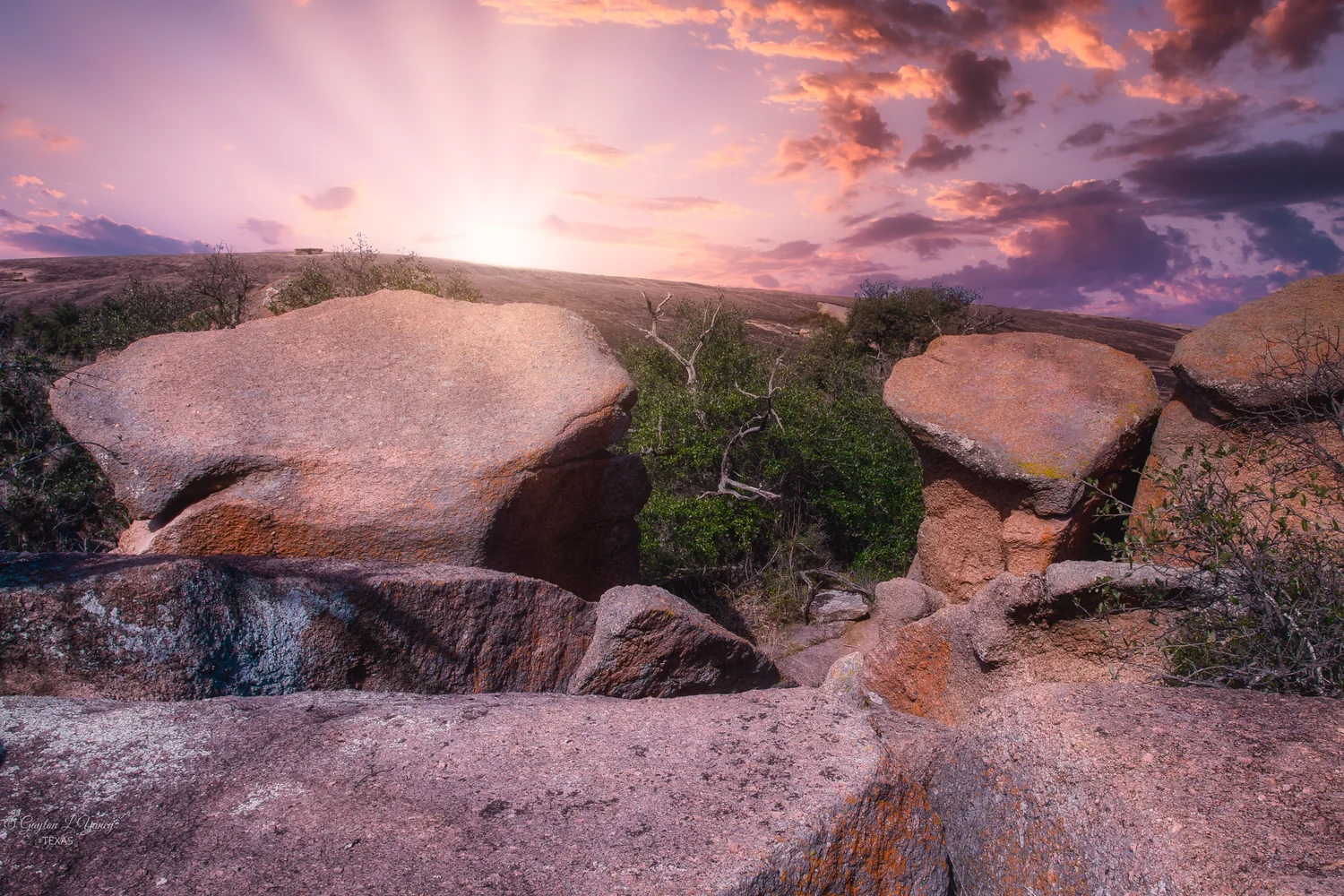
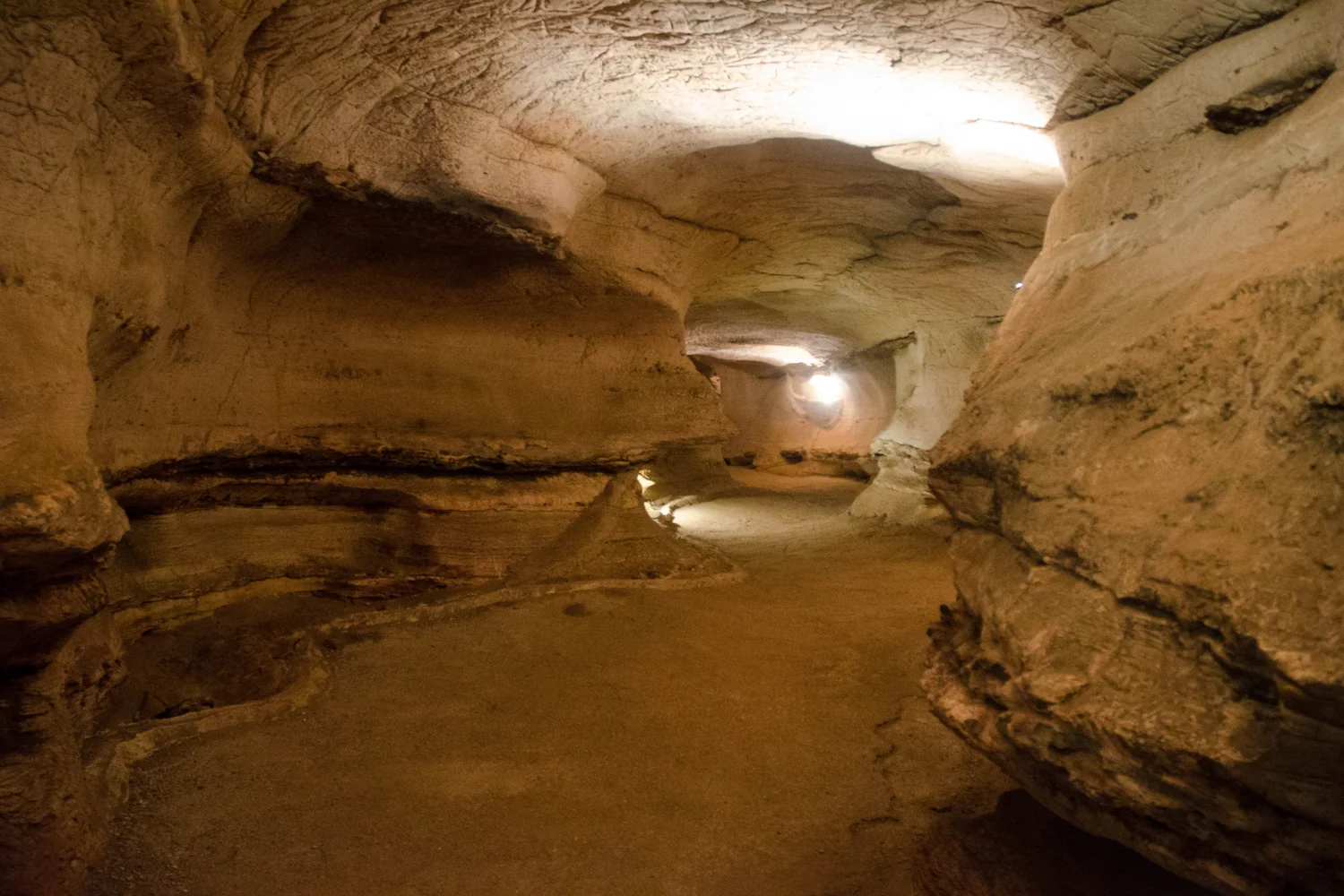
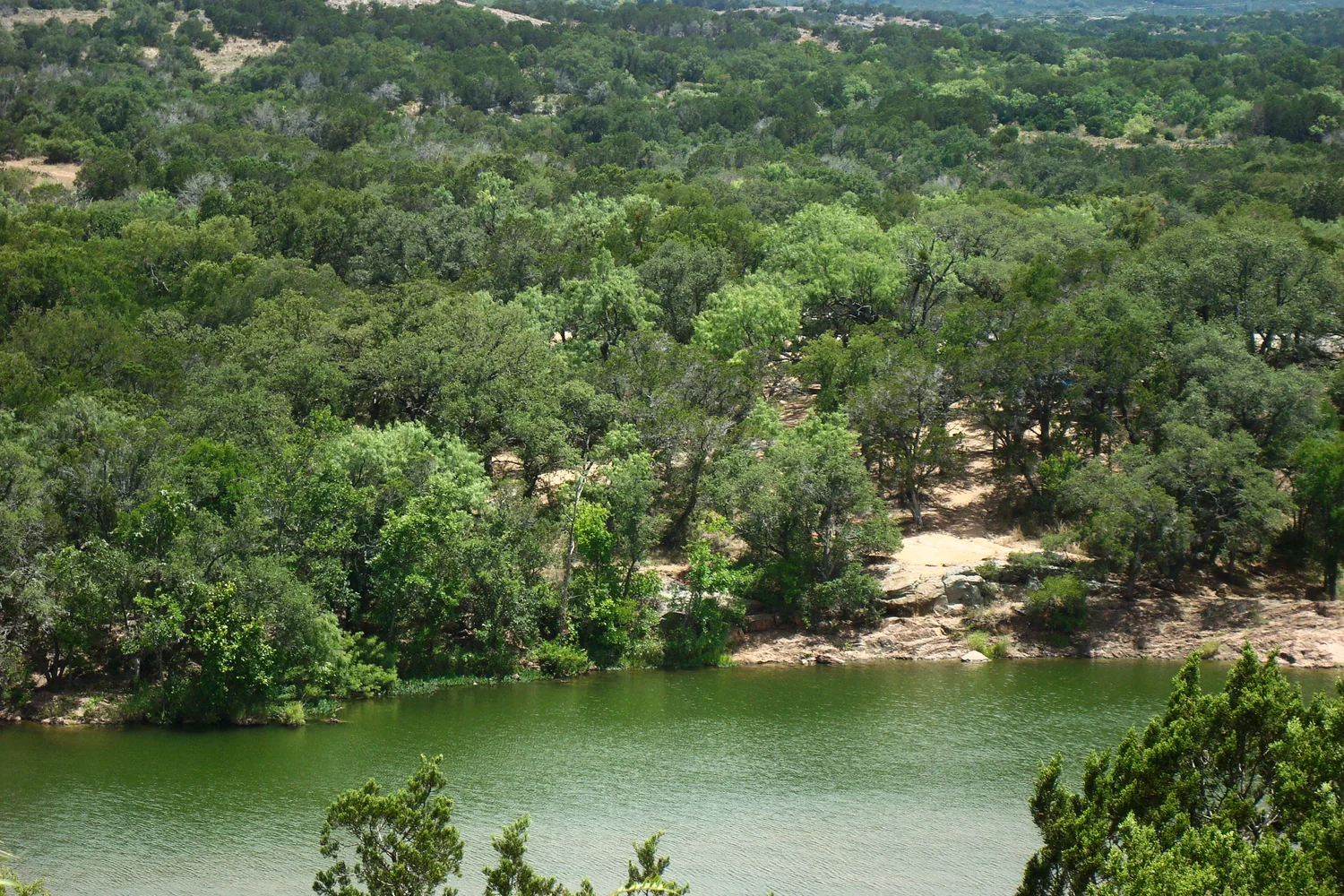
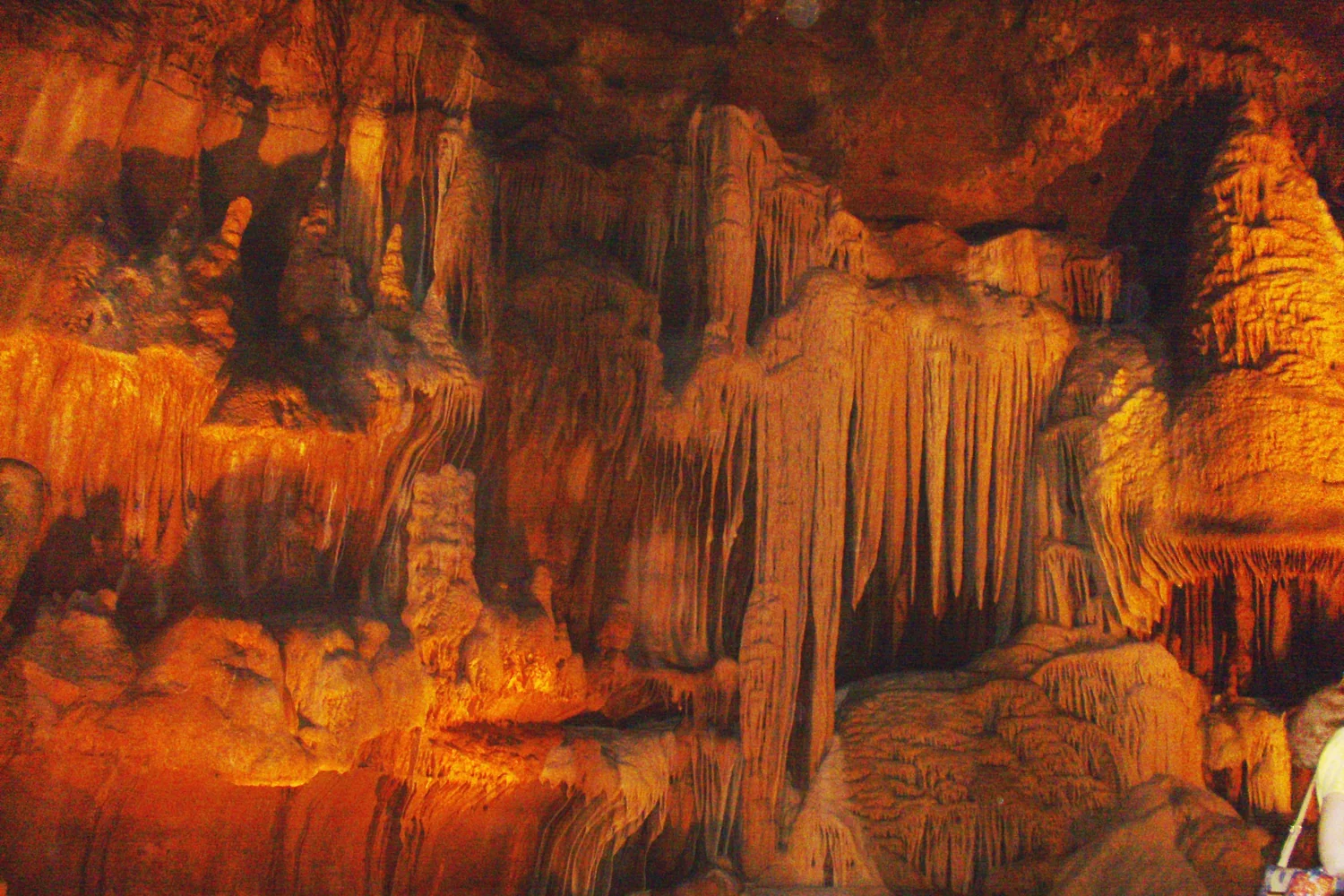
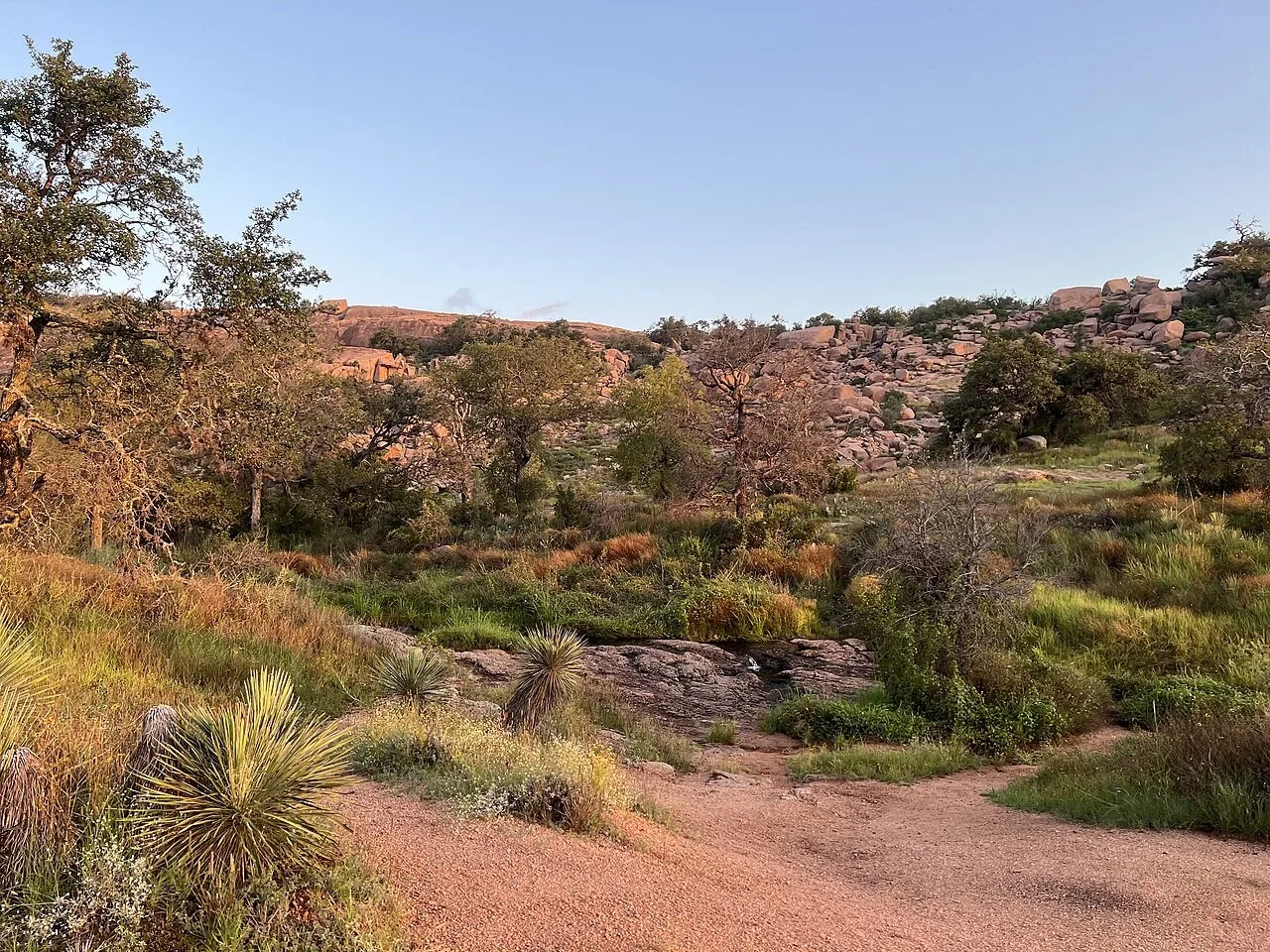
Rock is the first storyteller. Enchanted Rock’s granite began deep underground, and the rounded dome visible today emerged as the overlying material wore away. Around Burnet, Longhorn Cavern reveals what water can do within limestone, while the rocky shores of Inks Lake bring geology back into the daylight. Moving between these places gives the landscape depth: the hills are not one uniform surface, and the most dramatic part of a day's exploration may be beneath your feet.
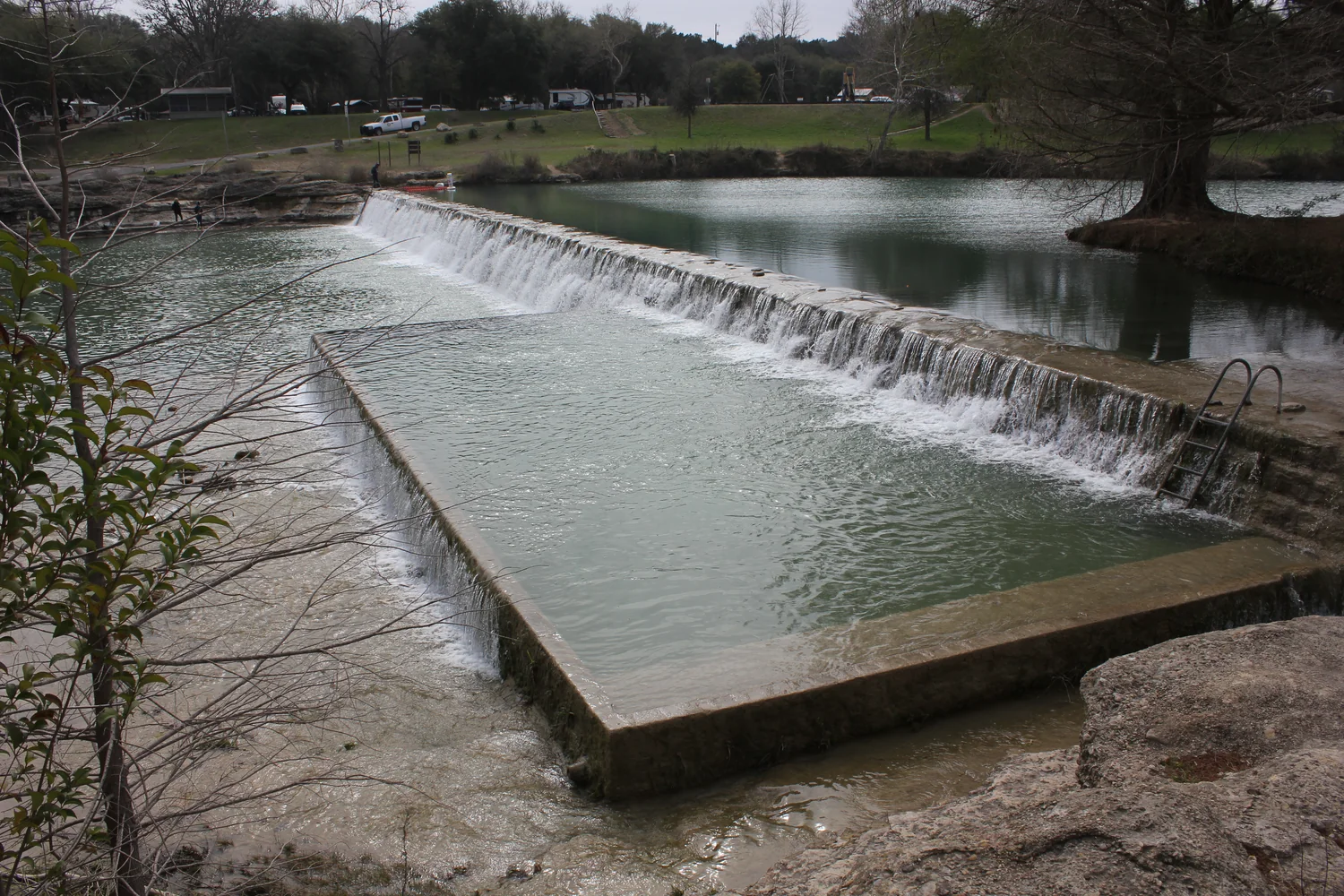
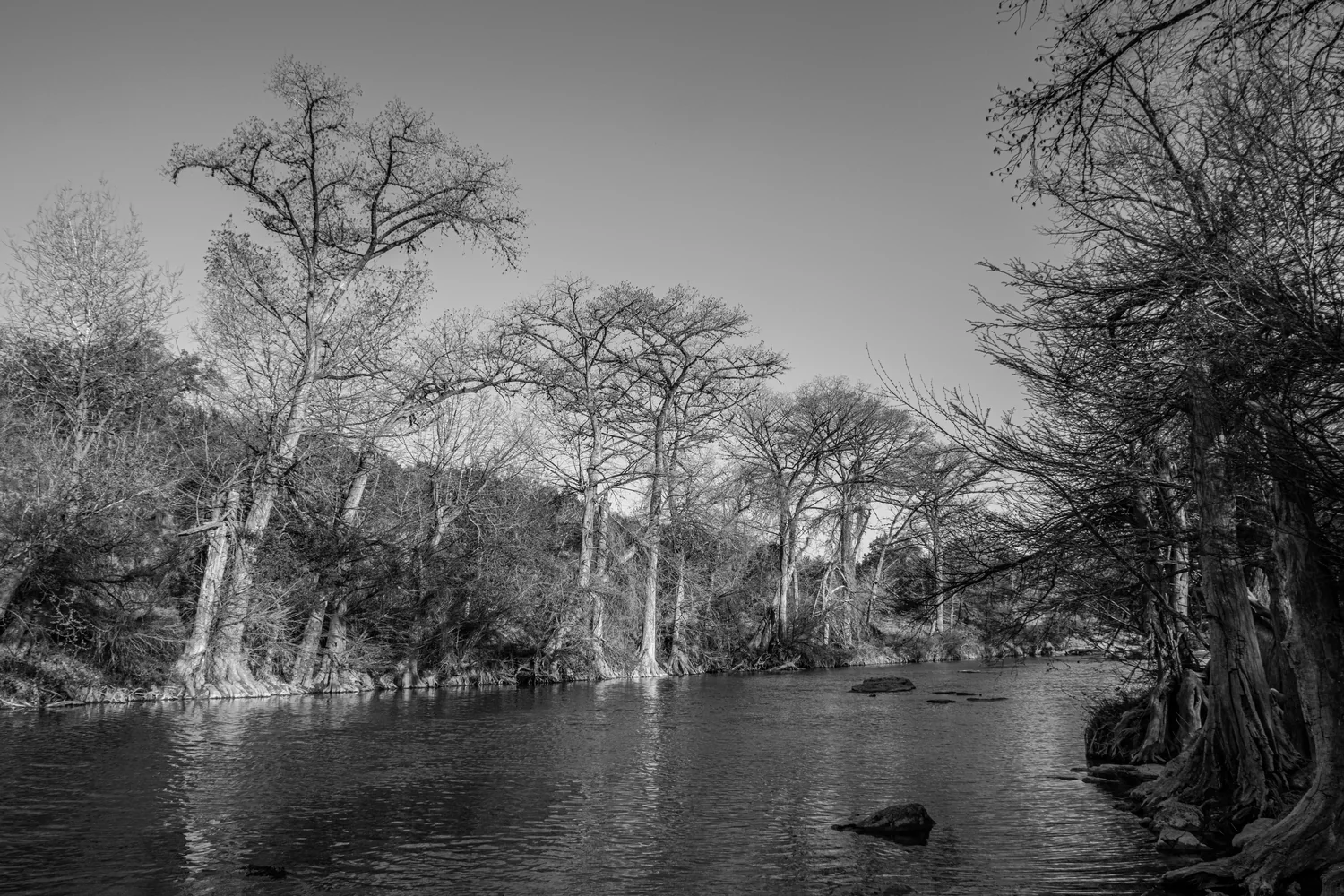
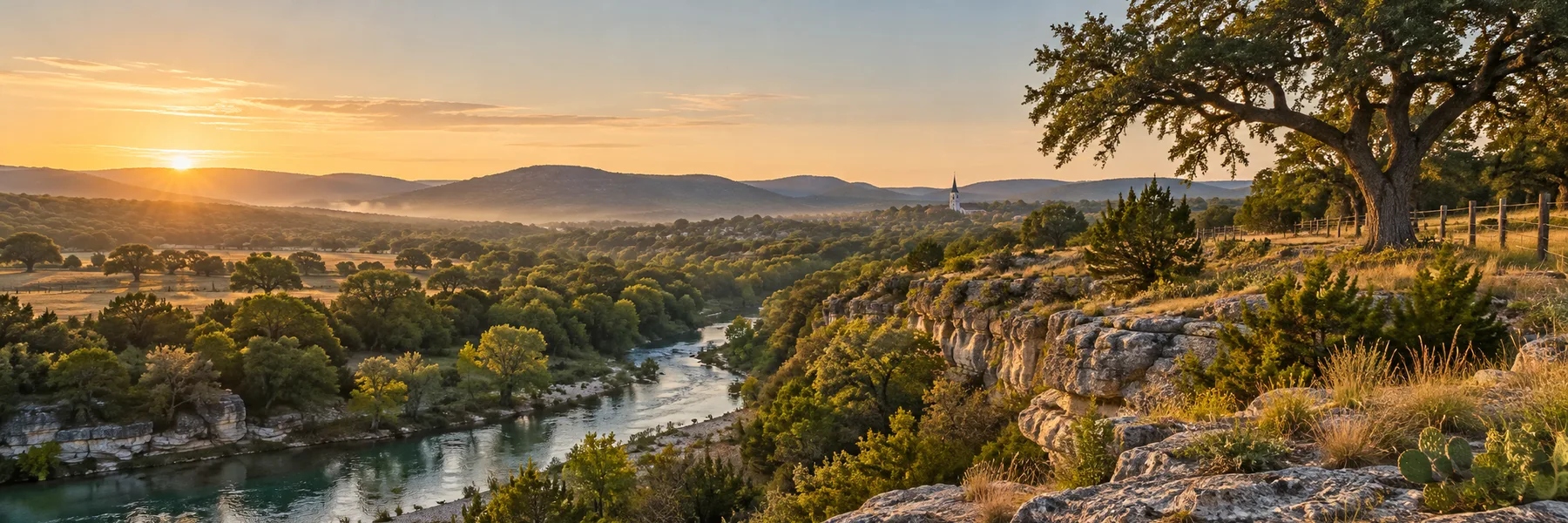
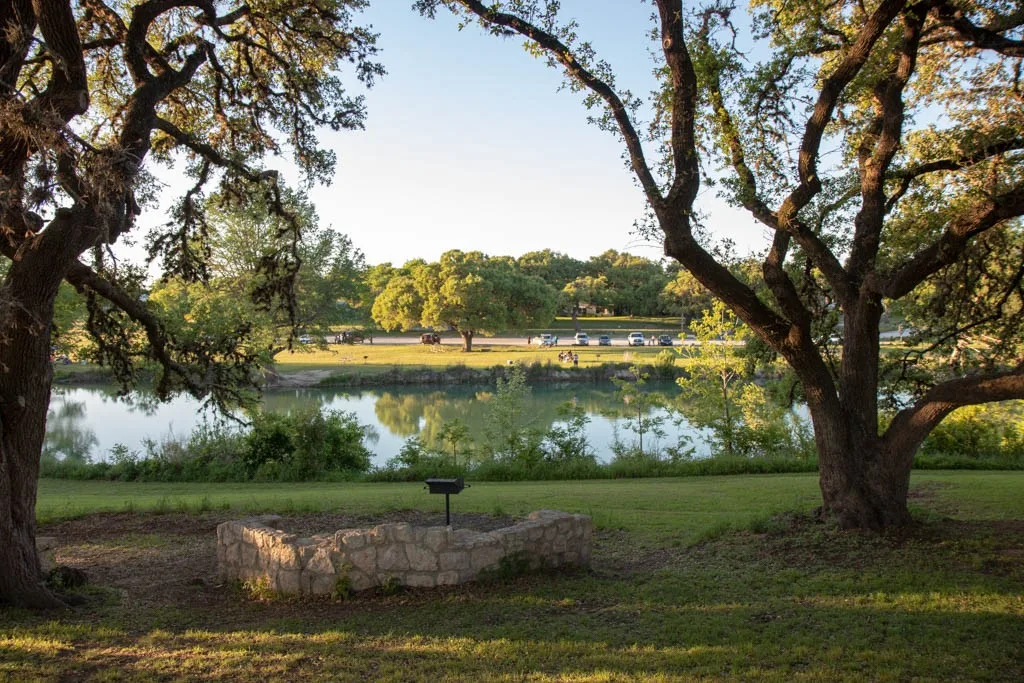
Water creates the region’s gathering places. Blanco State Park fits a river outing into the town itself, with Civilian Conservation Corps stonework adding a human scale to the banks. Guadalupe River State Park offers trails and a Discovery Center alongside its river scenery; Inks Lake provides another rhythm, with coves, rocky hills and room for a longer stay. Choose the experience first: a riverside picnic, a natural-history walk or a planned paddle each asks something different of a day outdoors.
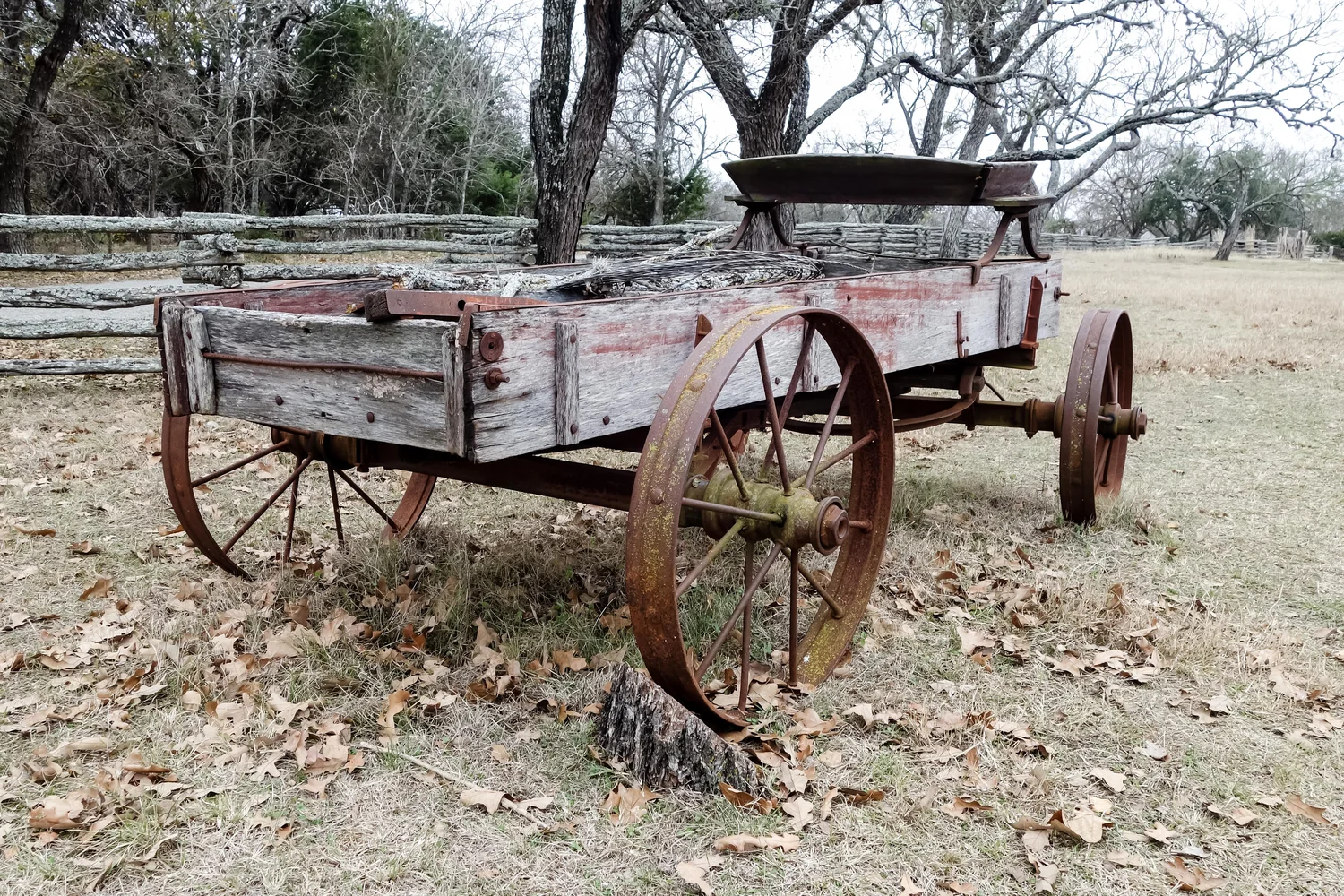
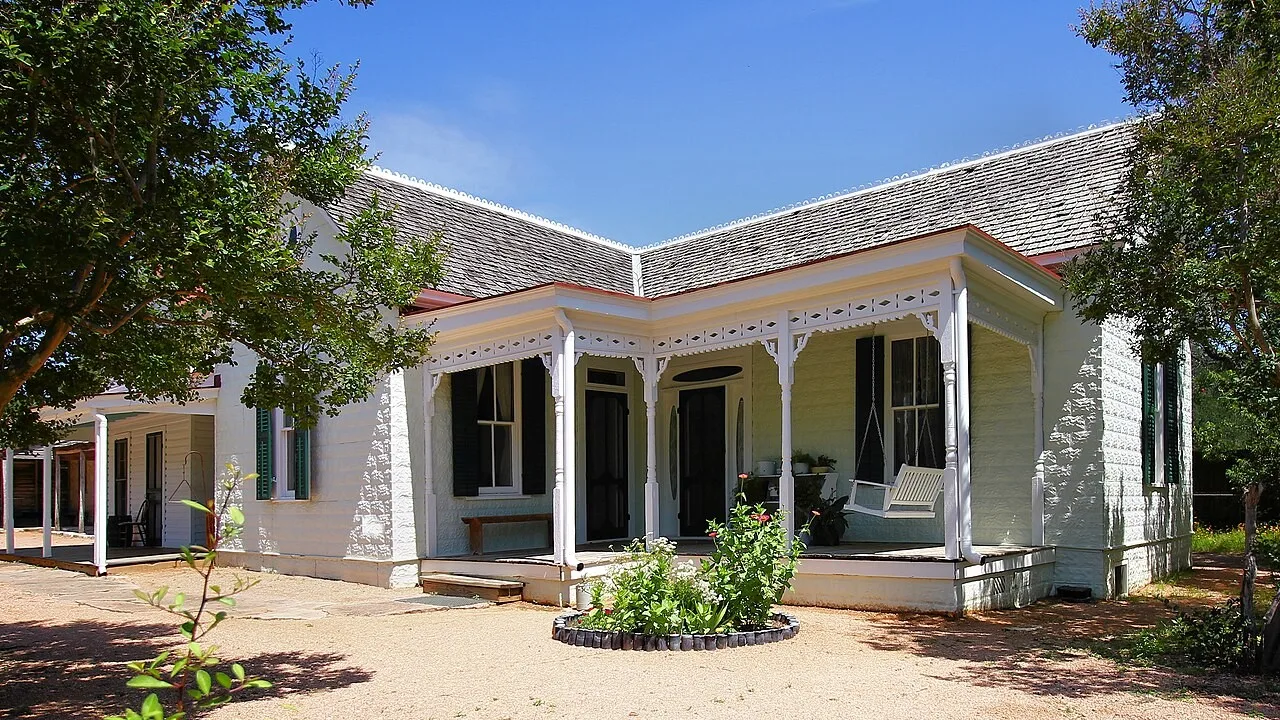
The rural history becomes especially tangible at the Sauer-Beckmann Living History Farm near Stonewall. Here, interpreters carry out the work of an early-twentieth-century Texas-German farm, from caring for animals to cooking and seasonal chores. The appeal lies in ordinary details: how a household fed itself, how buildings changed as a family prospered, and how much skill daily life required. As part of Lyndon B. Johnson State Park, the farm also places presidential history within the regional world that surrounded it.
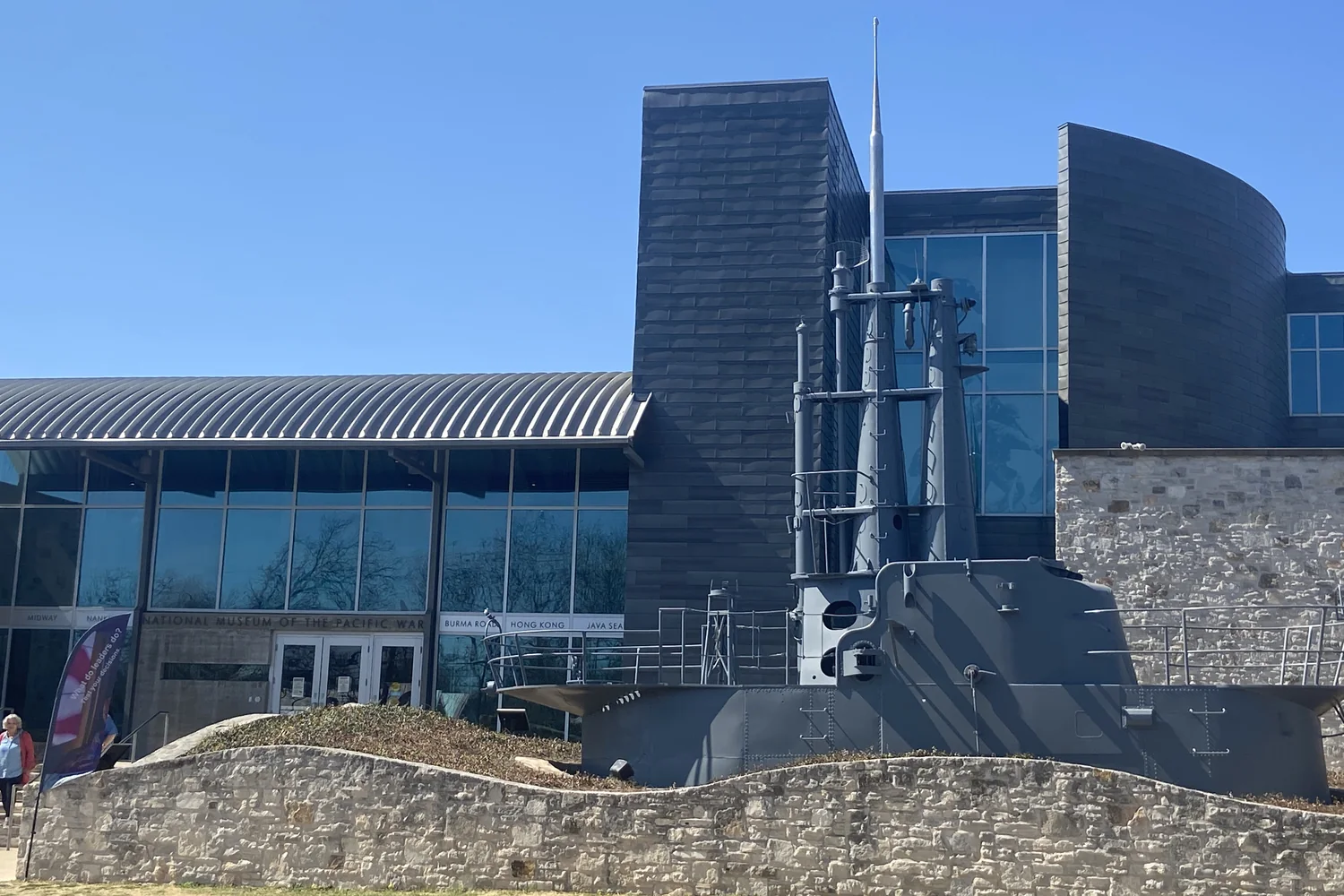
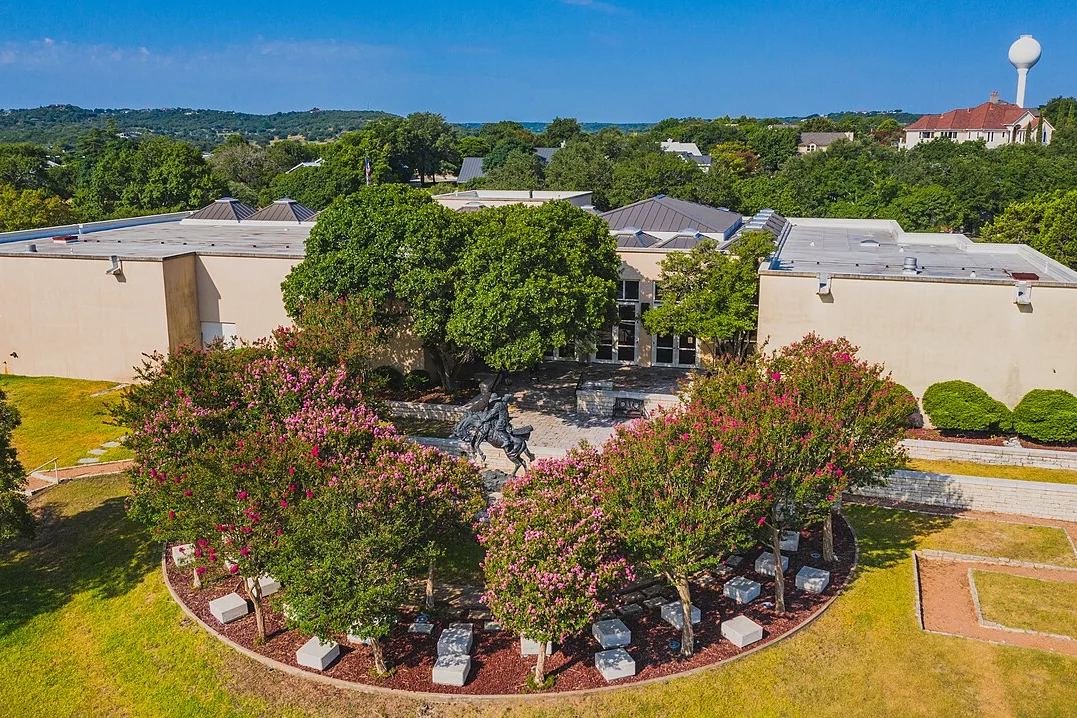
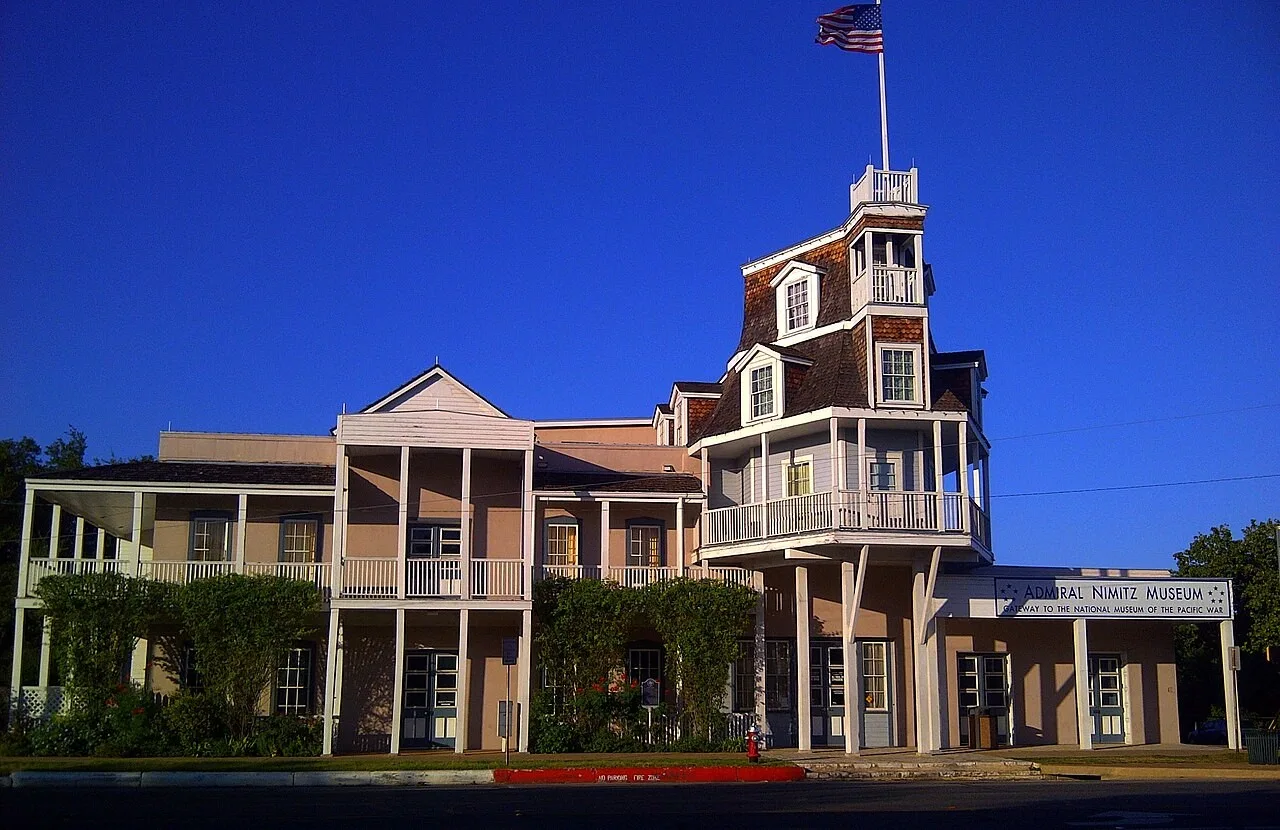
The towns connect local lives to much wider stories. Fredericksburg’s National Museum of the Pacific War begins with a strong hometown connection through Fleet Admiral Chester Nimitz, then opens onto the enormous scope of the Pacific conflict. In Kerrville, the Museum of Western Art explores how artists have pictured the West, its landscapes and people. Neither is simply a rainy-day fallback. Allow enough time for a serious museum encounter, then return to the town with a fuller sense of its interests.
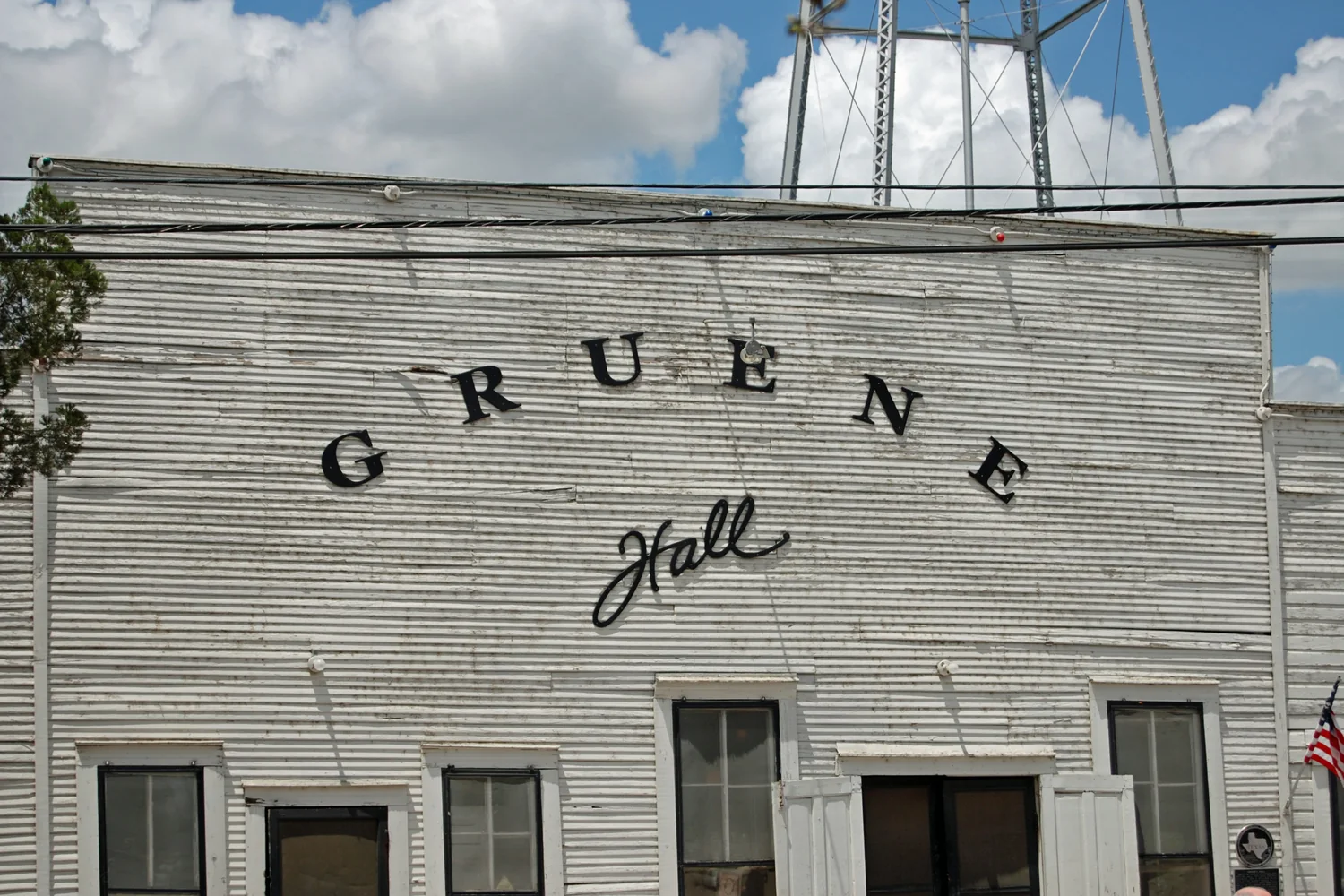
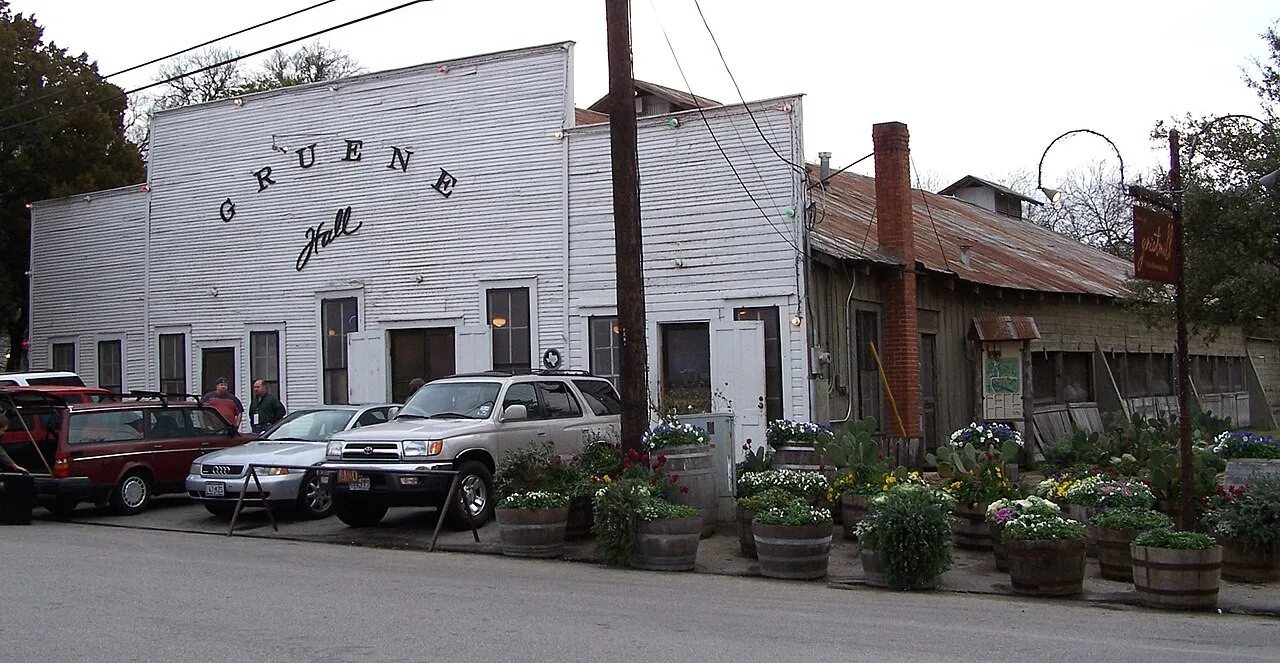
Music provides another way into the region’s continuity. Gruene’s old commercial buildings emerged from a cotton-growing community, and the dance hall remained a social anchor through years of change. Its later revival helped turn preservation into an active part of the town’s life. A performance there is most rewarding when you notice the room as well as the stage: timber, open space, people gathering and a building still doing the job for which it became important.
Leave the Hill Country with a few places you know well rather than a long list you barely saw. Combine a cave or trail with a town, give a museum the attention it deserves, and let an evening of music have its own space. The region’s character lives in the relationship between land and work, water and gathering, old buildings and present use. Slowing down makes those relationships visible.